.

.
Showing posts with label rosacea. Show all posts

Friday, August 28, 2020

A client’s new rosacea diagnosis & product questions: Part 1

I need some advice from my favorite aesthetician! I just went to the doctor to verify and as I suspected, I do have rosacea. A better option than lupus, which is what popped up when I  googled butterfly rash but still not my favorite diagnosis!

Im getting more frequent flushing episodes and this past week when I came in from outside, my nose got BRIGHT redlike a bad sunburn. Then it spreads out a little onto my cheeks. 

Im still using the Yonka white lotion spray, Creme 15 and Gommage, although I don’t gommage as often as I should. Im good about sunscreen now, tho! Im supplementing with CeraVe facial moisturizer when I need a little moisture boost, which isnt often since Im still pretty greasy.

Other than my color issue, I think you would be pretty happy with how my skin looks. I havent given up coffee, but per your instructions I always have a glass of water before and after my coffee. I actually drink lots of water all day, and we are all are working on eating more veggies (plenty of fruit) and I almost never have Diet Coke.


So, before I see the people who like to write prescriptions (my doctor), I thought I would check in with you and see what you think about handling rosacea.

So sorry to hear about the rosacea diagnosis, but as you said, it could be worse. Now that you know what the redness is, you can start learning how to live with itThe following are all discussed in Skin Care A to Z, but Ill outline a few things here in a shortened version:
  • Rosacea is managed not cured. So although it could completely go away someday, chances are it won’t. However, right now you may be experiencing worse symptoms if it is just presenting itself. That is not uncommon. The more severe redness may calm down in the future, although you may be prone to the redness forevertime will tell.
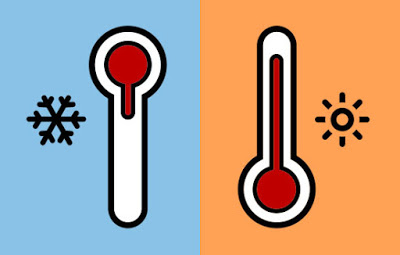
  • Avoid extremes in temperature whenever you can. Obviously, you can’t not go outside on a cold or hot day, but you can use only tepid, room temperature water when you wash your face at the sink. In the shower, it’s a little harder. I personally don’t tell my clients to turn the water from hot to warm or cool, but you definitely don’t want to stick your face in the hot shower water, rosacea or not!
  • If its really cold (or hot) outside, you may experience that bright red nose you described. This might not be the case with more moderate outdoor climates. Any temperature extremes are going to make the rosacea flare up a bit. And in those cases there really isnt much you can do about it. 

  • When you go to your dermatologist, I would definitely ask for samples of topical rosacea ointments like Metrogel or Metrocream or whatever the latest and greatest thing is, and see if any one of these works for your rosacea. What works for others may not work for you; it truly will come down to trial and error. Rosacea is a very individual condition and therefore the treatment and products vary as to what works for one person or another.

Since entering menopause, I have what I call a “pre-rosacea” condition on my cheeks. I get very flushed there when I’m simply hot or in a hot bath. It’s not quite full-blown rosacea, but almost. Since I love hot baths, before I get in I put a thick layer of moisturizer on my cheeks where I tend to get red and flushed. This acts as a protective layer for my skin from the heat and therefore keeps my cheeks from flaring up. In the shower, sometimes I put clay mask on my cheeks instead of the cream, which can easily come off in the water stream. The cream is nice after the bath because I can just spread it on my face afterwards.

To me, its not about giving up coffee or wine or whatever dietary pleasures that may cause flareups; its knowing those things, your personal triggers, will cause you to get red. Sometimes you may decide to avoid certain foods or coffee in order to not look red, and other times you just may not care.


Yonka makes an anti-redness moisturizer: Creme 11*, that many clients who have rosacea and/or redness in their skin really find helpful. It doesnt get rid of redness per se, but it does help to calm the skin. Otherwise, Creme 15 is still a great cream for you. And if you use Gommage 303 right now, use it up and next time order Gommage 305*. Its better for redness and you may be sensitive to the citrus (orange, sweet lime, lemon) in 303 if you now have more redness.
*Creme 11 was rebranded (disastrously, IMHO) and is now called Sensitive Masque.
*Gommage 303 is discontinued and Gommage 305 has been renamed Gommage Yonka.

Rosacea certainly isn’t fun but it’s also not life-threatening. It can be frustrating as well as inconvenient, but hopefully if you stay away from your triggers to the degree that still makes for a happy life, you can manage this condition and perhaps one day it will just disappear.

For more information, see:

Wednesday, August 12, 2020

A cautionary tale about IPL treatments

The following are parts of a long email I received from someone who was not a client in my salon, but someone who was in need of help with her skin post-IPL treatments. I lost touch with this person so I dont have a followup on how her skin is doing today, but I include her comments and my responses to help any of you who may have had unexpected and unwanted results from IPL skin treatments.

I was seeking the IPL treatment in hopes of reducing my pore size*. I was told at the office where I had the procedure performed that it could reduce pore size up to 80%. I asked about risks and the possibility of scarring and I was told there were no risks. This should have put up a very large red flag for me, but unfortunately Im only seeing that now.

*If you read anything about IPL, reducing pore size is not really something ittouted as doing. Perhaps laser resurfacing would have been a better choice here, but even then nothing can really reduce pore size—without the possibility of changing the skin irreparably. That the office where this lady had the procedure gave her an 80% pore reduction number makes me wonder about the credentials of this doctor and who else might be getting misinformation about the powers of IPL. And as she mentions, “no risks” should have been her first warning that something wasn’t quite right here.

I had four IPL treatments between January and April of last year. Since that time, minor breakouts I have around the time of menstruation leave depressed acne scars on my cheeks, forehead and chin, and the overall quality of my skin has deteriorated dramatically. It has lost elasticity and is now pock-marked with odd linear scarring present on my right cheek. All the changes are most pronounced on my right side.

Perhaps she sleeps on her right side. Even the pressure of sleeping on one side or the other after a skin procedure(s) could possibly cause a change in the skin there.

My dermatologist (who did not perform the procedure, an osteopathic physician** performed the IPL procedure for me) has seen the changes and agrees they are bizarre but as he is not a cosmetic surgeon, he doesnt know what to do with me. He stepped up my acne treatment program in an attempt to decrease all breakouts as these are now leaving scars and told me to wait a year and see if the scars fade. They havent. My skin has gotten very irregular and firm, again most pronounced on the right side.

**Dare I say, this should have been the 2nd red flag for this IPL seeker. An osteopath is a great doctor to see for joint issues or maybe a problem with your spine, but why this particular physician was giving IPL treatments, in my mind, only shows up as dollars signs.

So, the long and short of it is, this lunch-time no-down-time procedure has ruined my complexion. I recognize that these changes are probably permanent, but I would like your guidance and help regarding what to do now.

Had I been told that there was any risk of scarring, I wouldnt have had the treatment. I am very conservative generally when it comes to my skin, though I made a grave mistake in this case. Hindsight is 20/20. My dermatologist told me with the damage done, it would be a mistake to risk an invasive procedure to try to repair the damage (i.e. resurfacing), as I might come out worse than I went in.

If you have any recommendations I would so much appreciate it. I know these changes arent going to reverse, but my skin is damaged now and I need to be more attentive to it than ever.

What this lady experienced may be an anomaly. She may have had unique issues with her skin previous to IPL that made her a bad candidate for this light wave technique but the doctor went ahead anyway or simply wasn’t aware. It could be she was just unlucky and had a bad experience when many people have exceptional results with IPL. To her, none of this matters because what she went into the procedure hoping for is definitely not what she left with.

It is always disappointing to hear negative result accounts when it comes to skin care procedures since youre going in for an opposite experience. Rather than simply spending time on how to repair her skin (you really cannot reverse the damage done), I wanted to publish this emailers comments in hopes that if someone reading this is contemplating IPLor any facial procedureyou will think on it long and hard before going ahead.

I recommend she start (or continue) doing a good Basics and Extras program and focus on her sugar intake to keep the breakouts to a minimum, even though they usually happen around her period (hormone driven). I’d look for a qualified aesthetician who really knows her stuff. How can you tell? You might not be able to tell at first sight, but if someone tries to sell you on all kinds of skin care miracles, I’d look for someone else. But in a good aesthetician you may find someone who can help lead you to better techniques and even products to help with your skin issues. Scarring is a completely different animal, but if your skin is well taken care of and exudes a healthy glow, then perhaps you won’t notice the scars as much. A small consolation perhaps, but you have to start where you are and with the truth of the situation.
If you are reading this and thinking about changing something with the skin on your face, once it’s done—most likely it’s done and there usually is no going back. Be clear about your intentions as well as what and more importantly why you are seeking a change. In the case of this person, reducing pore size is next to impossible. The skin just doesn’t shrink like that, in fact enlarged pores only get more pronounced as we age.

Don’t set yourself up to say hindsight is 20/20. Perhaps foresight will compel you to wait and see and do more research on a particular procedure. Over time, you might find you don’t even want to make the change that you did just a year ago. No matter what you decide to do: be care-filled and cautious and do your homework and researchplease!

For more information, see:

Monday, July 27, 2020

IPL & PhotoFacial treatments for hyperpigmentation, capillary issues & scarring

In your book you say there isn’t anything that can be done about broken capillaries, but I had successful laser sessions a year ago that erased most of them from my face.

This email came from a client of mine. She actually had IPL treatments, which are a bit different than laser therapy. Indeed, she had severe couperose (broken capillaries), predominately in her cheek and nose area. She did achieve remarkable results from having her capillaries treated with IPL. It took several sessions, but over 70% of the damage was eliminated.

Intense Pulsed Light (IPL) can be an effective treatment for mild or severe couperose, rosacea, or just getting rid of those pesky capillaries that have been hanging around on your face for so long. I have many clients who have had success with this procedure and are now enjoying less redness in their skin. One of the benefits of this treatment versus some of the older laser versions is it can treat tiny broken capillaries as well as redness deep within the skin where abnormal vessels are found, which is especially good for rosacea sufferers. Because IPL helps to alleviate the flushing associated with rosacea, treatments can really have a long-term effect.

IPL is also effective for getting rid of hyperpigmentation, making your skin tone even and free from pigmentation spots. Because sun exposure is what caused this condition in the first place, you will be instructed to be very aggressive with your sun protection program; it will not be just temporary care, but diligent sun protection for the rest of your life.

Although I don’t believe in before and after pictures in most circumstances, in several articles discussing IPL for redness, the before and after pictures speak volumes for this procedure’s efficacy. These photos give a clear view of the patient’s skin prior to IPL, which looks like skin with medium to severe capillary damage. Afterward, there is at least a 60% reduction in redness—the capillaries have disappeared. I have also seen these results in several of my clients.

Usually you will first go through a consultation with your dermatologist or a physician’s assistant in the office. They will go over your needs and wants as well as procedural information. Then you will find out about cost. IPL is not cheap. On average, each treatment is anywhere from $700 to $1,200, and you have at least five treatments in a series. However, if you are suffering from severe hyperpigmentation, rosacea, or just capillary damage, and you are willing to truly commit to aggressively protecting your skin (especially your face) from sun exposure, then IPL may be the miracle you have been searching for.

Your skin may be red for a day or two, but (if you have rosacea) it was red already, so it may not look very different after the treatment. Once the redness subsides, what you should be left with is less redness and an overall improved condition.

Depending on your pain tolerance and the normal procedure at the doctor’s office, you may have a topical anesthetic applied to the skin being treated. This is not a painless procedure, but the effects can last a long time, making it worth the small amount of discomfort you may experience.

I had a wonderful treatment called PhotoFacial that really helped to eliminate acne scars I’ve had for years as well as hyperpigmentation from when I was pregnant. It’s a bit uncomfortable, like a rubberband snap, but tolerable—and worth it! I had a series of 5 treatments, each one was about 2-3 weeks apart.

PhotoFacial (developed by Dr. Patrick Bitter, Sr.) is yet another name for IPL therapy; FotoFacial and EpiLight are a few more. No matter the name, if hyperpigmentation, rosacea, broken capillaries, or perhaps even acne scars are a concern, investigate IPL and see if it works for you.

Laser as well as light therapy are analogous to computers; the technology is advancing and expanding so rapidly that the techniques and machines used today may be obsolete tomorrow. As with all procedures, please get more than one opinion, and do your homework. When it comes to your face, you want someone who has a lot of experience and a great reputation working with IPL.

As with any and all procedures you are seeking, ask around for referrals. Once you have a few names, talk to someone in each doctor’s office. It’s doubtful you will get to speak with the doctor until you pay for a consultation, but sometimes you can get a feel for the office by the people who are working there. You always want to find a professional who has a lot of experience doing these treatments and using the machines, not a doctor who is just beginning to do this procedure.

For an example of someone who had a bad experience with IPL, see the article below. I think it’s smart to read the good and the bad and make your decision from there. As you’ll read, this client was probably not a good candidate for this procedure, but the doctor went ahead and performed it anyway.

For more information, see:

Wednesday, July 15, 2020

Azelaic acid for acne, hyperpigmentation, and rosacea: does it work?

Azelex and Finacea are brand names for prescription topical antibiotic creams containing azelaic acid that is used for treating acne as well as rosacea. It is said to be less irritating than other topical blemish medications derived from vitamin A like Retin-A, which can cause a lot of redness and flaking. This, of course, is imperative for anything addressing rosacea, which is red, irritated skin.

If you google “azelaic acid,” something like this will come up: Azelaic acid is most frequently prescribed for rosacea sufferers, because it’s crazy-effective at decreasing the inflammation that causes rosacea’s trademark redness. The ingredient is also antibacterial, making it helpful for decreasing acne. It also helps fade the dark spots acne leaves behind.

Azelex contains 20% azelaic acid, which comes from wheat and grain. It helps to decrease inflammation and is an antimicrobial, which means it kills bacteria. Azelaic acid’s antibacterial abilities are similar to essential oils, and I happen to be a fan of essential oils. They are easy to find, inexpensive, and do not require a doctor’s prescription. I also think essential oils work better than most topical medications used to diminish blemishes.

One of the more interesting benefits listed for azelaic acid and specifically Azelex is its reported ability to lessen pigmentation. It doesn’t have a bleaching action, but helps to disrupt the melanocytes’ activity, inhibiting melanin production wherever the product is applied. This theory is not absolute, but it might be one way to help lessen hyperpigmentation.

Some topical medications, however, can have the opposite effect, causing photo or sun sensitivity, which actually increases pigmentation. It just goes to show you nothing works for everybody. Rosacea is another skin condition this antibiotic cream is reported to be beneficial for.

All of my writing is experience-based—either personal or from my clients’ experiences. To date, I haven’t had enough clients using this treatment cream either for rosacea or acne issues to give you anything other than the facts available on this product’s label. When I have more information from my client’s experiences, I will include it here.

For more information, see:

Saturday, July 4, 2020

Is this rosacea? A client’s questions about her skin and using Yonka products

What is happening with my skin?! I have had this on my cheeks (somewhat less than this usually) for a few months at least. I’m using [Yonka] Juvenil and Creme 15 at night. I was using Optimizer Creme for day but switched to Creme PG. What do you think it is? Maybe I need drugs??

Thank you for sending photos. That is so helpful! Well, it looks like the beginnings (or middle) of rosacea. There is a pink to deep red color, bumpy texture that can look like breakout, and it’s located (high up) on the cheek area. I recommend going to a dermatologist to get confirmation, but from that photo, I’d say it is rosacea.

Have you had the steam machine used in facials by chance? Or do you frequent steam rooms? Do you find that you flush (especially in that cheek area) during exercise? I can say that when I was around 52, I started to show signs of rosacea and I attributed it to hormones once again changing at that time. I am guessing the same might be true for you.

Are you heading into perimenopause?  (This client was nearing 50 when she emailed me.) Have you had any changes in your monthly cycle? Hormone changes that might cause irritability, hot flashes or just all around heat, sensitivityemotionally and body-wise?

Now the question is what to do! Regarding drugs: There are some prescription medications that can be helpful for rosacea if that is indeed what is going on. First, I’d recommend going to your dermatologist and get diagnosed. The doctor can prescribe some things for you or better yet give you some samples to try. There are several topical rosacea medications that may or may not help your symptoms. Some medication and products work for some people, but one size does not fit all when it comes to rosacea.

I wouldn’t use hot water on your skin—ever. If you are a bath person, I highly recommend putting a thickish layer of Creme 15 or Creme PG (or any cream that you know doesn’t irritate your skin) on your cheek areas before going in the bath to protect that skin and keep it from flaring up with the heat. Usually I recommend a clay mask while taking a bath, but with rosacea—because it creates such sensitivity—I wouldn’t use clay, just a sensitive skin moisturizer or hydrating mask that you know doesn’t irritate your skin under normal circumstances.

If it is indeed rosacea, it’s a tricky thing to treat. What works for one person doesn’t for another. As for my own skin, if I eat any sugar, it will cause flareups with my cheeks. Darn it! When I was younger sugar made me breakout, now—I get red cheeks.

If I haven’t adequately answered you, please ask more questions. See your dermatologist, don’t use hot water, and as far as products go Creme 11 is goodbut if you still have oilier skin, Creme 15 is a good second-best choice. (Creme 11 has been discontinued and its replacement is Sensitive Masque—don’t get me started on why in the world Yonka named a moisturizing cream a mask.) I wish I could see you for a facial!

Thanks!! I’m definitely in perimenopause, and the redness definitely gets worse with heat. Yes, I’ve had steam with facials. Can I still use [Yonka] Gommage? Should I use Creme 11 and/or Creme 15 as day creme? I have one new Pamplemouse (the grapefruit cream) as well. Should I set aside the Optimizer Fluid & Creme? Would a light benzoyl peroxide wash help? Thanks! Wish I were there!! 
  • I wouldn’t use a BP washif you don’t have access to the Yonka milk cleanser, I’d use something like Cetaphil, which can usually be used on even the most sensitive skin.
  • Yes to gommaging. That is always good and shouldn’t flareup the redness. Just be watchful as you start massage it off. If that seems irritating, just do all the steps except leave it on a bit longer and rinse it off. Rinsing is not optimal as far as exfoliation benefits, but is perhaps better for the rosacea if the regular sloughing technique irritates your skin or causes excessive redness (something that does not happen under normal, non-rosacea circumstances).
  • No more steam in facials! Your aesthetician may balk at that, but tell her no. I’ve had facialists say “I can’t do extractions without steam,” but that is not true although it may be true for your person, I don’t know. As an example: I’ve never used steam machines since my 1st year in skin care32 years ago. Is your aesthetician a Yonka person? If so, she can definitely do extractions (if you need them) by using a particular Yonka product meant to assist that process: Hydra+ (formerly Hydralia, originally Dermol 1). To be fair, I have had Yonka facials with aestheticians who were not familiar with using Hydra+ prior to  and during extractions. (Such a shame!)
  • I think Optimizer Serum is always a good idea for extra hydration without adding extra oil to the surface of your skin. Anything you’re using is fine as long as you don’t feel irritation and you don’t see redness after application. If Optimizer Serum or anything else does irritate then stop using it. Otherwise, I think all Yonka products are appropriate for your skin. Yes, Creme 11 (now Sensitive Masque) is a good cream for the redness.
  • Pamplemousse, as long as you don’t feel heat upon application or while it’s on your skin, should also be fine. Grapefruit is of course citrus and citrus can cause sensitivity. Let your skin and any redness and/or irritation be your guide.

Same client, different photo
Rosacea is tricky; rosacea is very individual. Having experienced a touch of rosacea firsthand, I can say that it truly has a mind of its own. As with all things body, rosacea, when it flares up, definitely is caused by particular things. For me the heat of a bath and red wine and too much sugar are sure to stir the redness in my cheeks. These are all common triggers for many people. And now, being in menopause, heat of any kind also can cause the redness to appear. Sometimes just being in my office suite that runs on the hot side causes a flareup when I’m there.

Rosacea certainly isn’t the end of the world, but it makes appearances when you least want it to and for sometimes unknown (to you) causes. Like most things in life, the squeaky wheel gets the grease, and so is the case for rosacea.

For more information, see:

Monday, January 22, 2018

“I have rosacea—can I still get a facial? And should I?”

I am interested in finding an aesthetician, however, I have rosacea. Could you please tell me how you would treat this if I came in for a facial. 

This potential client has a very good question. And kudos to her for asking first before she booked an appointment. I initially emailed her back and requested a phone conversation. A question like hers is not so easy to answer in a concise manner. Nor did I want to do a cold email vs. having a conversation with her. Obviously she is concerned about how a potential facial professional is going to treat her skin, and I knew if I had an opportunity to actually talk with her I could ease any concerns she had.

One of her first questions is if I would use microdermabrasion on her skin. Apparently she had been to several aestheticians who (mistakenly) thought microderm and rosacea were a good combination. I explained I didn’t have microdermabrasion available, and if I did I certainly wouldn’t use it on a person with rosacea. Nor do I have a steam machine andagainthat would never be recommended for rosacea or in my opinion anyone. Steam produces heat, heat is not good for redness and/or rosacea.

In my facial, there are certain products I won’t use if I have a client with rosacea. Instead of the citrus gel peel I have (Yonka’s Gommage 303), I use one with stinging nettle and other ingredients meant to soothe redness (Gommage 305)*. There are a few mild liquid peels that I won’t put directly on the affected areas where the rosacea is located (Yonka’s MicroPeel and Alpha Exfoliator).

I have several clients with rosacea who come in for regular monthly facials without any problems. If you have rosacea, you can carry on a regular skin care treatment schedule; you just want to take extra care to make sure where you get your facials is helping to calm your skin down rather than causing flare-ups.
*Yonka has discontinued Gommage 303 and rebranded 305, which is now called Gommage Yonka and is the only gommage in the Yonka line now.

As I was explaining how I would treat her skin, I mentioned that in my experience 98% of rosacea clients leave my office looking less red with diminished inflammation. However, there is that remaining 2%. Once in a great while someone with severe redenss or rosacea will have an adverse reaction to the facialas gentle as it is. I wanted to “warn her just in case she was in this small percentile. Although she appreciated the heads up, she and I both felt that since she had had many facials in the past without a worsening of her redness, it was unlikely to happen in her facial with me.

The products I’ve used for over 30 years (Yonka-Paris) are great for even the most sensitive of skins. Contrary to what some think (perhaps people without firsthand experience), essential oils are great for redness and sensitivity. Paula Begoun and others think they cause redness, which they can, but that is not true for all essential oils. In the hands of smart manufacturers and knowledgeable aestheticians essential oils can help with all kinds of skin sensitivities. As you’ll learn from other articles on this blog, in less concentrated forms, essential oils are very soothing for redness as well as being anti-inflammatory agents.

Bottom line: If you have a skin condition, whether it is rosacea, breakout or another issue youre concerned about, please do as this lady did and contact a potential practitioner and ask questions! I always appreciate a prospective client coming to me with their concerns. UsuallyalwaysI can allay their fears and give them information that will help them make the decision to give my facial a try. And usuallyalwaysthey are happy with the results!

For more information, see:

Monday, September 4, 2017

WHAT are Capillaries? You want to know about them, especially if you have red or sensitive skin!

Capillaries comprise part of the blood network to the skin on the face. They are weak by nature and very susceptible to “breaking or dysfunctioning. Unlike veins, arteries, and blood vessels that are very strong, capillaries are thin and fragile. Once damaged, the only way to reverse the damage is by getting them lasered. This does not truly reverse anything, but lasers can cauterize the capillary, rendering it invisible.  

Capillaries are very susceptible to extremes in temperature. If you are exposed to cold weather or put cold water on your face, the capillaries will constrict (contract). If you are out in hot weather—especially direct sunlight, a hot tub, bath, or steam room, the vessels will dilate or expand.

Sun exposure for long periods of time will weaken the capillaries. And going from one extreme to the other (hot outside to air conditioned inside or vise versa) will really cause trouble for these already weak-by-nature capillaries. Other extremes such as an excess of alcohol, smoking, or caffeine can damage the capillaries as well. (Alcohol and caffeine dilate, smoking constricts.)

The moral of the story is be very moderate with the temperatures you expose your skin to. With hot or cold weather, there isn’t a lot you can do, but you certainly can avoid putting either hot or cold water on your face. And if you smoke, drink alcohol, or are in the sun a lot, know that your capillaries are being adversely affected. Capillaries are very important to the overall health of your skin; be sure to take good care of them!

There have been and continue to be many advancements in laser technology that have proved to be beneficial for removing damaged capillaries, therefore reducing redness, from both face and body. The article listed below on IPL gives you more information on this type of laser procedure for broken capillaries.

For more information, see:

Thursday, December 8, 2016

A confused client needs help: “Dry? Acne? Rosacea? What is going on with my skin?”

I have dry, scaly patches on my cheeks, but my dermatologist said I have acne. He gave me a topical ointment plus oral antibiotics. Is my skin dry or is it acne? It’s all so confusing! Help! Plus an aesthetician said I have a little rosacea on my cheeks. I’m so sensitive and have spent so much money at the dermatologist and having different treatments—what should I do? What is my skin type?

I love this person’s remarks. She exemplifies the confusion so many people face when it comes to their skin. “A doctor said this, and I am taking a prescription medication, but with little or no results. I don’t understand my skin.” Sometimes clients even say “My skin is confused.” Your skin isn’t confused; it is simply reacting to its environment (internally and externally). Your skin, in fact, knows exactly what to do—and is doing exactly what it needs to do. It is the consumer who gets confused, and for good reason. I will break down her comments to see if I can make better sense of what is going on with her skin.

I have dry, scaly patches on my cheeks, but my dermatologist said I have acne. Dry and scaly skin does not equal acne. If your skin feels dry and looks scaly, you probably need to exfoliate. True scaliness could mean your skin is having an allergic reaction or perhaps an intolerance to a product, especially a new product. Dry and scaly skin could be eczema, a common dermatitis. Dry and scaly could also be your skin’s reaction to harsh and drying products you may be using to decrease oiliness or problem skin. Remember: your skin is reacting to something when it becomes dry and scaly. Look to your skin care habits and the products you are using, even extreme weather conditions, to find out what may be causing these reactions.

He gave me a topical ointment plus oral antibiotics. A topical product for acne may help with breakouts, but it also may be causing the dry and scaly condition of your skin to continue or even get worse. Many times dermatologists prescribe creams and ointments that are meant to dry things out. This, as you know (or will find out), is not how I would go about treating an acne or problem skin condition. If your skin seems drier and more scaly or red and irritated after the prescribed treatment products, don’t use them! Monitor your skin and let it be your guide, but do contact your doctor about any reactions.

Regarding antibiotics, taking anything orally affects your entire body. Constant or repeated use of oral antibiotics can cause several problems. First, it can create a healthy environment for unhealthy bacteria to flourish in your large intestines. Your colon is set up with a particular balance of both good and bad bacteria; antibiotics kill both the bad and the good bacteria. Second, your immune system can weaken from constant use of antibiotics. If and when you really do need to produce antibodies to fight off bacteria, your system is less able to do so, which makes you vulnerable to getting sick. Antibiotics—long term—set up imbalance.

Is my skin dry or is it acne? It’s all so confusing! Plus an aesthetician said I have a little rosacea on my cheeks. I have found acne and rosacea to be the most misdiagnosed conditions or at least the two most overused words to describe skin problems. You may very well have rosacea, although the description of your skin didn’t necessarily indicate that. I would suggest reading about rosacea so you can see if the symptoms match your skin’s condition. The treatment for rosacea is miles apart from acne treatment. Perhaps you truly do have acne or even rosacea, but you may just have problem skin that has been adversely affected by the actual treatment of your problems. Now that is confusing. You may simply have problem/dehydrated skin.

I’m so sensitive and have spent so much money at the dermatologist and having different treatmentswhat should I do? What is my skin type? If you take away all the treatments and medications that could be causing problems, it might be easier to determine your true skin type. Your skin’s condition is what you need to treat first and foremost. It is the immediate need, secondary to skin type. Once your skin has normalized, you can better determine what products would be effective for your actual type of skin or skin type.

It’s difficult to treat skin conditions yourself if you don’t know what is going on. That is the purpose of my writing—to help you determine for yourself what the problems are and how to go about solving them. I want to give you the knowledge and the tools to help you help yourself. If you have acne and cannot get rid of it by changing your lifestyle habits (or because you refuse to), then absolutely, go see your doctor. Medications may indeed help you, but in this person’s case, it didn’t help her and seemed to cause her skin more problems.

For more information, see:

Saturday, August 27, 2016

Rosacea, aging, and appreciation: a client’s comments

The following was written by a client of mine who has used Yonka skin care products for several years:

I never thought I would be a cheerleader for a skin care brand, but I am. I swear I get compliments on my skin all the time from younger women, and they always ask me how I do it.

I’ve learned so much from you about how to take care of my skin as well as tips on how to psychologically deal with the fact that no matter what, we do get older. I’m trying to do it gracefully without fillers, Botox, and the like. I would rather look like a real person who is aging than a cartoon character with a frozen face.

I’ve been noticing older women who I find attractive even though they have sagging skin and wrinkles. I see that beauty and attractiveness is so much more than outward appearanceit comes from the inside, and I love being around people like that.

I love your mission for healthy skin, healthy body, and realistic goals for our lives. Prevention is always the easier path. I know that if I don’t eat well and drink enough water, my skin care products will only get me so far.

Sugar, alcohol, wheat, too many carbs, too many late nights can all wreak havoc on my rosacea. So rosacea is just a little messenger that says, “You aren’t taking care of yourself, and inflammation is running rampant in your system not just your face. Keep up the good work Carolyn!

Its always nice to hear from my clients, and this long-time Yonka user touches on something very important that I have been talking about for years. Your skin will usually be at least one of the messengers signaling you about the health of your insides. Breakout, for instance, is not just happening;it is a sign of imbalance. Similarly, rosacea, once it has appeared, will usually give you more than a slight nudgemore like a punch in the stomach!to let you know that something you are doing, eating, or exposing your skin to is simply too much.

Pay attention and proceed from there. And also relax and dont worry about every little thing that is going on with your skin and/or body. Life is meant to be lived. Step away from the mirror and go take a nice walk outside in nature.

For more information, see: